

Meryl Streep steals her ‘friend’ Goldie Hawn’s fiancé, a plastic surgeon played by Bruce Willis, and marries him. Years later, Meryl lives for her looks, Bruce is a drunk who does make-up on corpses, and Goldie is overweight and depressed. Later still, the unhappy, resentful Goldie is slim, and Meryl grows jealous, afraid that Goldie will now try to take Bruce away from her. She visits a modern-day witch, played by Isabella Rossellini, who gives her an elixir that restores her youth but has some truly disastrous side effects.
Of course, this is not the story of these famous actors but the plot of ‘Death Becomes Her’ (1992). In this black comedy, an obsession with physical appearance does not end well. As in many other films throughout cinema history, writers and directors have used plastic surgery as a subject for satire. It makes good entertainment, but there is an underlying point that those of us who work in the field always stress: the importance of choosing a good surgeon.
What really matters is going to a recognised clinic and choosing a surgeon experienced in the procedure you want, to give yourself the best possible prospect of a good outcome. We have all seen cases on television or read about people who pass themselves off as doctors without the qualifications to practise. An excessively low price is one of the hallmarks of these impostors, who face prosecution.

Turning to Spanish cinema, I would like to mention ‘The Skin I Live In’, directed by Pedro Almodóvar (2011). The plastic surgeon, played by Antonio Banderas, is tormented by his wife’s death from burns and his daughter’s suicide. He designs a skin that is exceptionally sensitive to touch yet resistant to injury, which could have saved his wife. The film can be read as a criticism of the self-importance some surgeons display. In reality, beyond training and facilities, what makes a good surgeon is their humanity and integrity, experience, communication skills and empathy with their patient. A good professional explains the potential complications openly. They will say no if a request is outside reasonable bounds, could harm the patient’s health or, quite simply, if they consider the operation unnecessary in that person’s case.
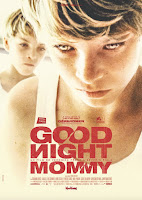 Another film I would like to mention is ‘Goodnight Mommy’ (2014). Twin boys wait patiently for their mother to come home after plastic surgery. When she arrives with her face completely bandaged, she is cold, distant and obsessive. The change in her personality makes the boys wonder whether she is an impostor. It is a horror film. On this point, people seeking surgery to improve part of their body should remember that miracles do not exist. The final appearance should be natural, balanced and harmonious. Patients should avoid unrealistic expectations, as they may be unhappy with their appearance afterwards and experience psychological difficulties as a result.
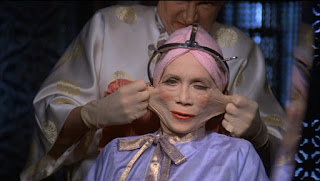 Finally, on the more comic side, there is Monty Python’s ‘Brazil’ (1985), among others. In one hilarious scene, a woman’s face is literally lifted by someone pulling it with their hands. Joking aside, undergoing plastic or aesthetic surgery is no game. Every factor deserves careful thought. To reassure patients, I would add that choosing a professional with the qualities mentioned here will help them avoid unnecessary risks.
For further reading, see ‘Michael Jackson on film’ and ‘The history of plastic surgery’.