
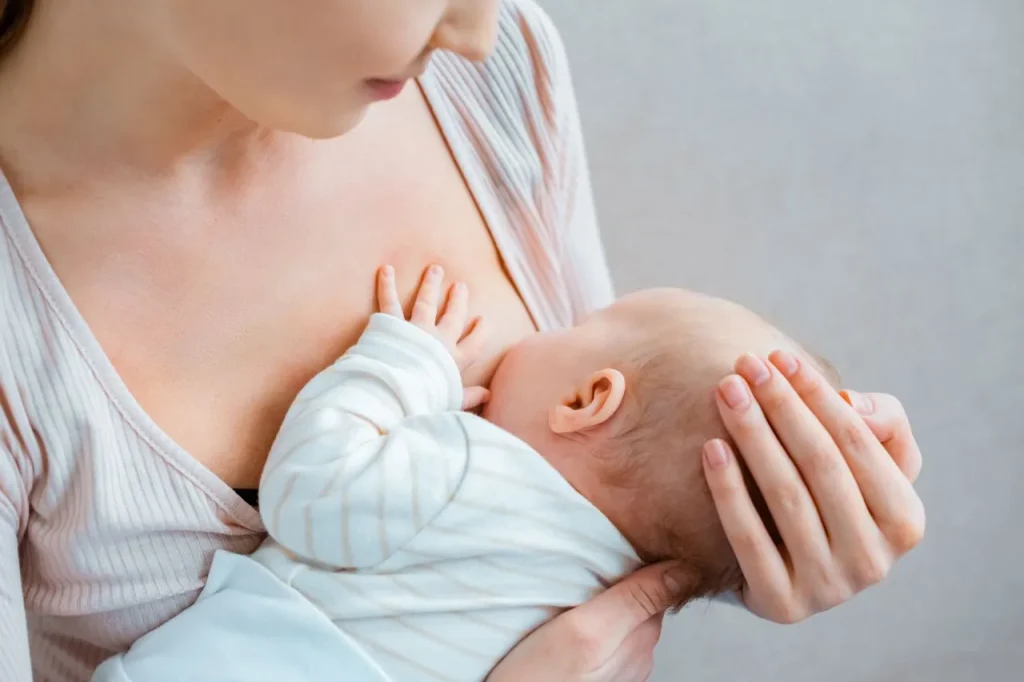
According to the well-known website Breastcancer.org, breastfeeding reduces the risk of developing some types of breast cancer.
In particular, studies show that breastfeeding offers especially marked protection against hormone receptor-negative breast cancers, which tend to be more aggressive and have fewer treatment options.
A protective effect has also been observed for HER2-positive breast cancer and, to a lesser extent, for triple-negative breast cancer, although more research is awaited on the latter.
How breastfeeding affects risk
During pregnancy and breastfeeding, breast cells undergo changes that make them more mature and therefore less likely to become cancerous. Breastfeeding also reduces the inflammation that occurs when breast tissue prepares to produce milk and then goes unused, a process that could increase the risk of certain cancer subtypes.
It is also known that many women have no periods or have them less frequently while breastfeeding. This keeps levels of oestrogen and progesterone lower, both hormones being associated with hormone receptor-positive breast cancer.
BRCA1: very encouraging figures
For women with a BRCA1 gene mutation, breastfeeding for more than a year may reduce the risk of breast cancer by 22% to 50%, whereas no clear protective effect has been seen in women with a BRCA2 mutation.
Other benefits of breastfeeding
An additional benefit during this time is that more fluid is eliminated, which involves the excretion of carcinogens. Similarly, continuous milk production reduces the likelihood of the gland functioning abnormally.
Women who breastfeed also tend to take more care with what they eat and follow a healthier diet, which is always beneficial. Overall, according to the European Code Against Cancer, every 12 months of breastfeeding is estimated to reduce the risk of developing breast cancer by 4%.
The longer the duration, the lower the risk
Experts note that the benefits are especially apparent if a woman has breastfed for at least 12 months, although even three months of breastfeeding has been associated with a later breast cancer diagnosis. In general, the longer a woman breastfeeds, the greater the reduction in risk.
However, not all women can or wish to breastfeed, and that does not mean they are destined to face a higher risk.
For more detail, see ‘Breast changes after pregnancy and breastfeeding’ and ‘The anatomy of the breast’.